
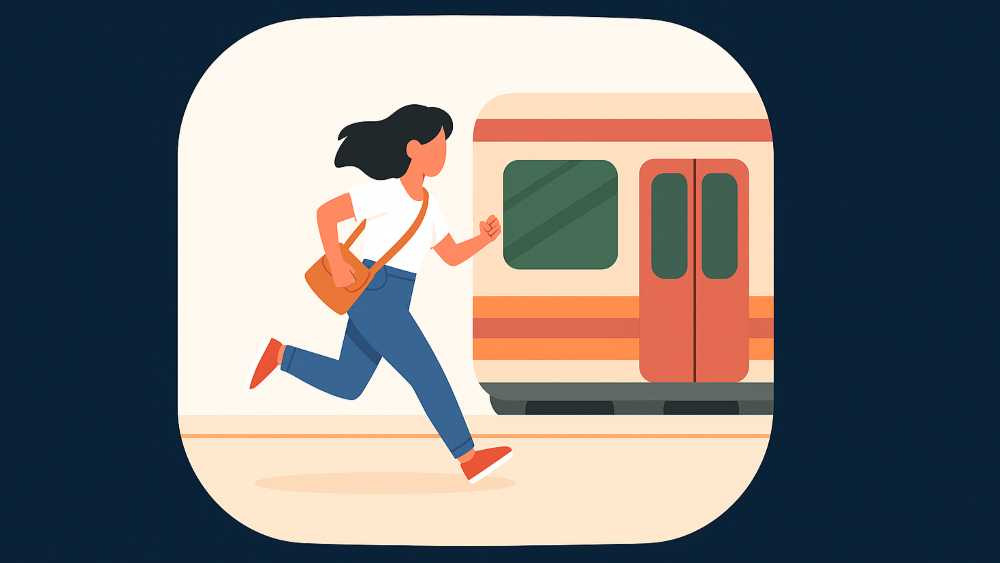
Student life often feels like a game of high-stakes with the background music of R.A.One playing (or at least that is what happens with me 😉). With all the lectures, deadlines, meetings, internships and for some, maybe even a side hustle or project, everyday brings a new to-do list that seems longer than the one before. In between all of this chaos, we find some time to sleep, socialize and maintain what’s left of our sanity.
The end result? Many of us simply burn out or feel like they’re not doing enough. But what if there was a better way to balance the craziness we call a “schedule”? This blog will analyze practical, student-friendly approaches to prioritizing what matters and multitasking effectively- without losing our minds.
STEP 1: UNDERSTANDING THE DIFFERENCE- PRIORITIZING VS. MULTITASKING
Lets start at this from the basics!
Prioritizing is the skill of deciding what deserves your attention first- and often, what diesn’t deserve it at all. Multitasking, on the other hand, involves managing multiple tasks- often simultaneously or in quick succession.
Both can be useful tools when used intentionally, however, they’re not interchangeable.
Multitasking is often used as a romantic term, but misused multitasking can hamper focus or increase mistakes- however, well used, it can also allow for more things to be accomplished in less time.
STEP 2: PRIORITIZATION
When everything feels important, nothing actually gets done. Prioritization is how you cut through the chaos and focus on what truly moves the needle.
Here are a few frameworks that are especially helpful for students:
🔷 Eisenhower Matrix
Sort tasks into:
- Urgent & Important – Do now
- Important but Not Urgent – Schedule it
- Urgent but Not Important – Delegate if possible
- Neither – Eliminate
🔷 ABCDE Method
Label tasks by importance:
A (Must do), B (Should do), C (Nice to do), D (Delegate), E (Eliminate)
🔷 Time-Estimated To-Do Lists
Assign a time duration to each task — this helps you be more realistic about what you can achieve in a day.
Bullet Strategy Recap:
- Separate urgent vs important
- Break tasks into energy-friendly slots
- Create a “Not-To-Do” list (e.g., “No phone until the first task is done”)
STEP 3: MULTITASKING
Let’s face it — students are natural multitaskers. But not all multitasking is created equal.
Smart multitasking = pairing compatible tasks.
This works when one task is mentally passive and the other is active. Examples:
- Listening to recorded lectures while folding laundry
- Reviewing flashcards while commuting
- Brainstorming ideas while walking
Avoid: Task-switching traps
Jumping between writing your essay and replying to messages or scrolling Instagram feels productive but ruins focus.
Better techniques to try:
- Pomodoro Technique: 25 minutes focused work, 5-minute break
- Time Blocking: Allocate blocks of time for specific activities
- Batching: Group similar tasks (e.g., replying to emails + messages all at once)
TOOLS AND HABITS TO STAY ON TRACK
Let technology work for you, not against you. Here are some productivity-friendly tools and habits to anchor your day:
📱 Apps You’ll Love:
- Notion or Trello – for organizing projects, notes, and calendars
- Google Calendar – to block your week visually
- Forest – helps you focus by keeping your phone off
- Todoist – smart to-do lists with priority levels
🧠 Habits Worth Building:
- Start your day with a “Top 3 Tasks” list
- Take regular screen-free breaks
- Review weekly wins and misses every Sunday
- Learn to say “no” when your plate is full — your bandwidth is real
CONCLUSION
You don’t have to be 100% productive everyday- nor will you be. You are not the robot in R.A. One; just because the background music might align, doesn’t mean we make ourselves into a robot. Some days, alarms could get ignored or procrastination might take over longer than you intended. That’s okay.
The real win is building systems that support your rhythm and routines that reduce stress. Prioritization and smart multitasking aren’t about doing everything, they’re about what matters most.
Remember: you get to design your day, not be dragged through it.